Why every large scale public asset needs a Customer Experience Framework?
By Gelare Danaie
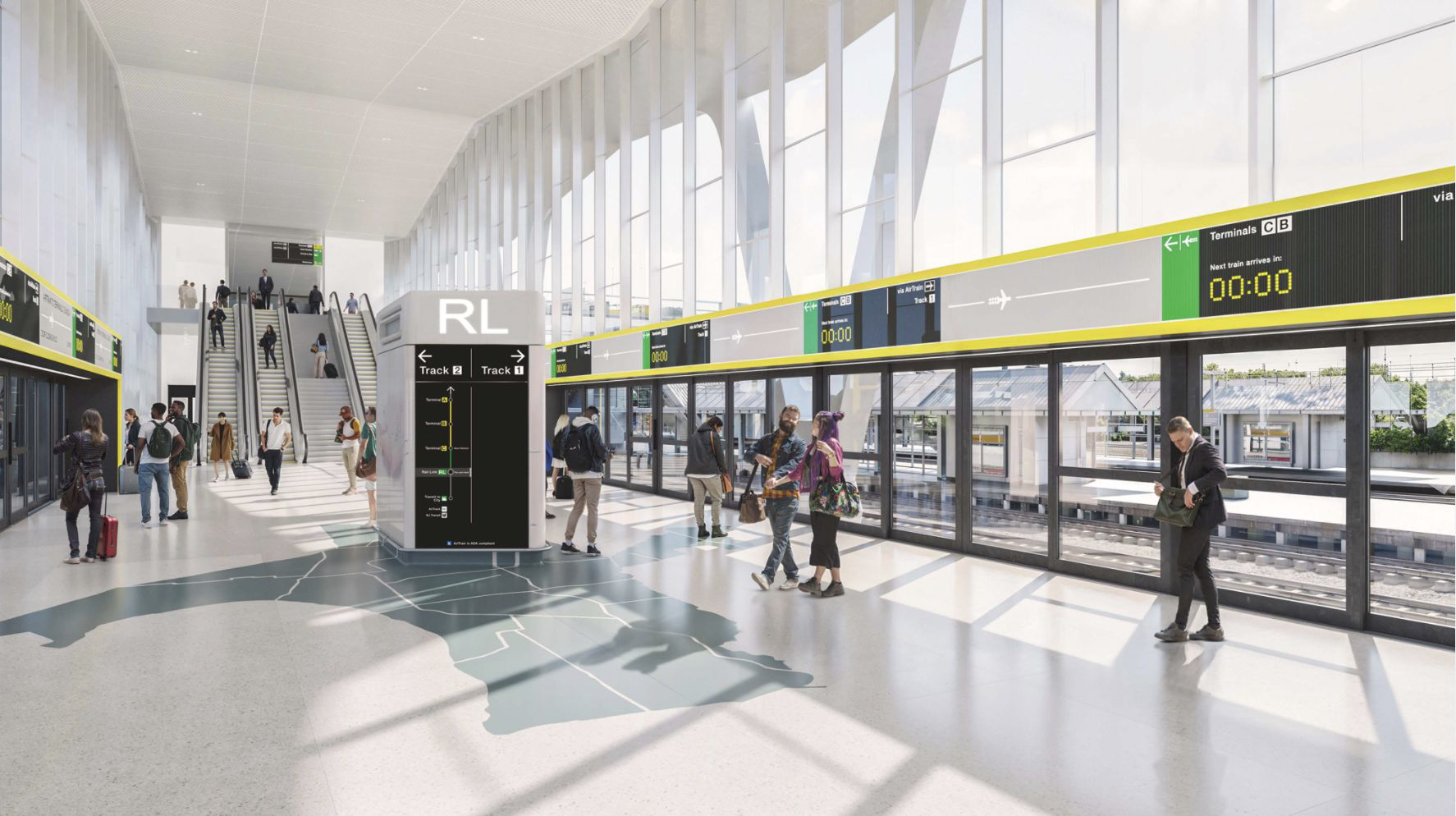
Newark AirTrain Replacement Program - Progress Design Illustration- Final design courtesy of HOK and COWI
The Port Authority of New York and New Jersey operates one of the most complex and influential infrastructure portfolios in North America. Its assets include major airports—JFK, LaGuardia, Newark Liberty, Teterboro, and Stewart—critical Hudson River crossings and bridges, as well as the PATH rail system and the Port Authority Bus Terminal. The agency also manages the Port of New York and New Jersey’s marine terminals, the World Trade Center complex, and extensive real estate, security, and transportation infrastructure across both states.
Given this scale and diversity, a strong and consistent Customer Experience Framework is essential. PANYNJ’s client-caring culture and its vision for inclusive access—with customer satisfaction as a central goal—are clearly articulated in its Customer Experience Framework. When we joined the HOK New York team as part of the bid for the Newark AirTrain Replacement Program, we began our approach by grounding our work in this vision, ensuring that every design decision aligned with the client’s customer-first mindset.

Design Approach
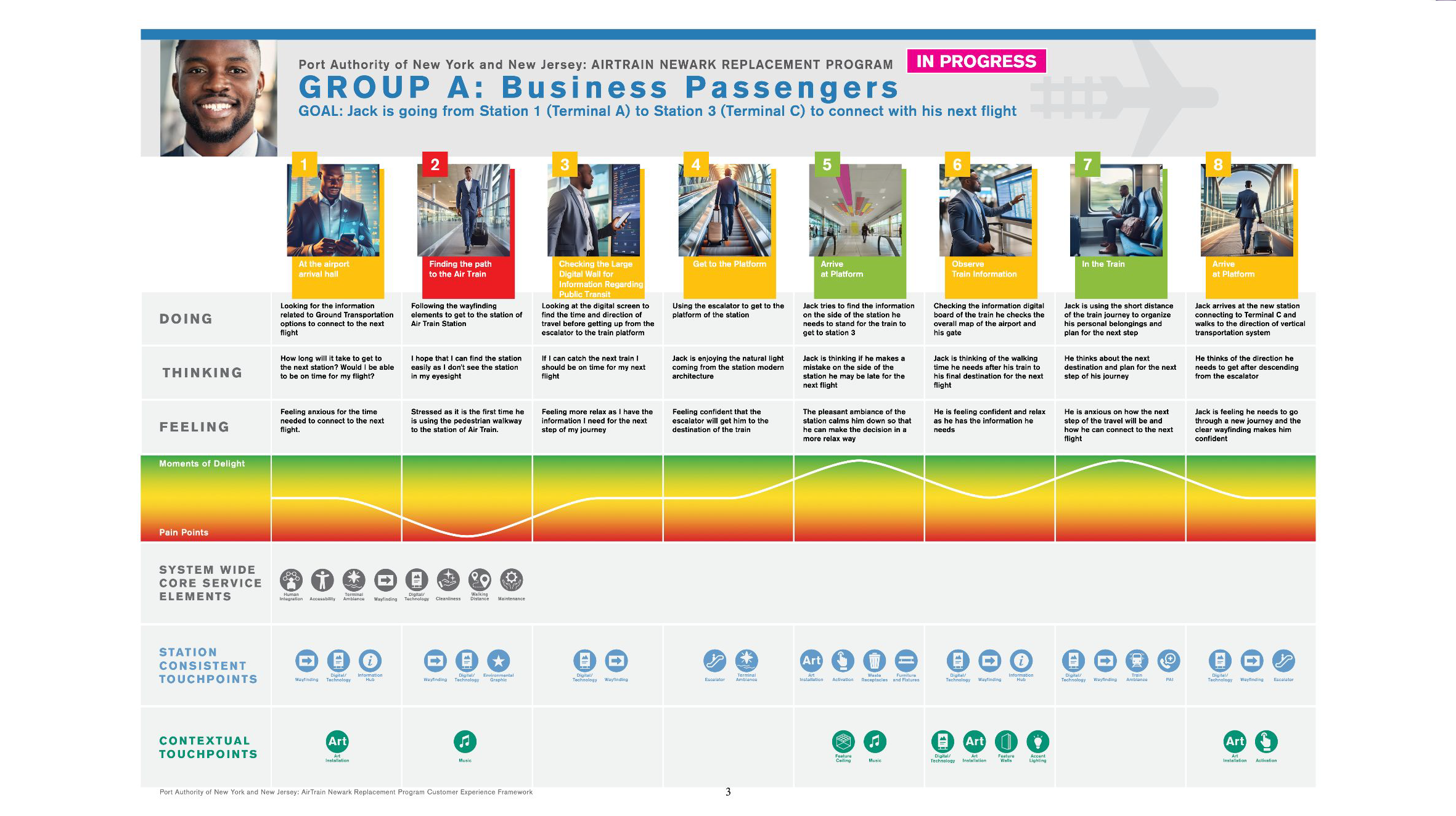
Our approach to customer experience is grounded in a clear, three-step planning framework that ensures every decision is rooted in a deep understanding of the people the system serves. We begin by understanding the customer—identifying the primary user segments and recognizing that each interacts with the asset at different moments, with different needs and expectations. From there, we study the full customer journey, looking beyond isolated touchpoints to understand the experience before arrival, while moving through the system, and after departure. This holistic view allows us to identify moments of stress, uncertainty, and opportunity. Finally, we bring these insights together into a clear, actionable plan—aligning design, operations, technology, and communication into a cohesive experience that is intuitive, inclusive, and resilient over time.
Core Elements: Pyramid of Customer needs
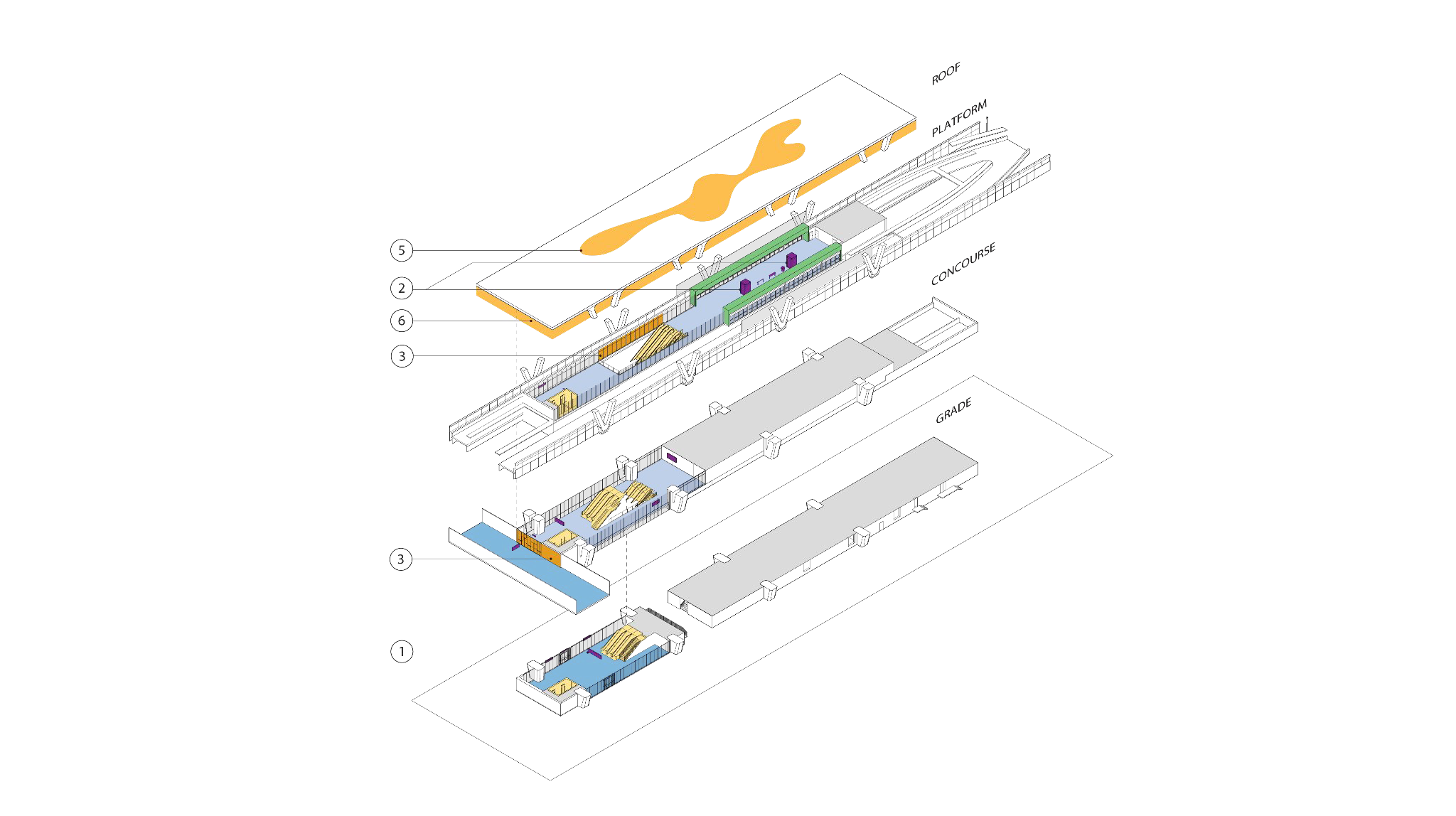
A successful customer experience framework is built in layers, beginning with the fundamentals and progressing toward moments of delight. At its base are the essentials—cleanliness, safety, and reliable operations—without which trust in the system cannot exist. The experience layer builds upon this foundation, focusing on how people feel as they move through the environment. This includes human interaction beyond the built form, accessibility rooted in empathy rather than compliance, intuitive wayfinding that prioritizes spatial clarity over signage alone, and digital communication that delivers the right information at the right time. At the highest level sits delight, where the system moves beyond functionality to create a sense of place. Through ambiance, materiality, light, sound, and other sensory cues, infrastructure becomes not just something people pass through, but an experience that is memorable, calming, and distinctly connected to its context.
Why Clarity Matters
The key lesson from our work with the client team was the importance of a clear and shared vision. The Port Authority’s documents provided strong direction toward a holistic customer experience without constraining design creativity, and although our team was not awarded the project, the process resulted in a clear internal roadmap for developing Customer Experience Frameworks for large-scale projects. In complex systems, such frameworks are essential to creating cohesive and harmonized experiences.
As a woman-owned business registered with the Port Authority, we are excited to support architects and designers through customer experience–driven design services.